Between Sandstone and Net Zero: Running Glasgow’s Older Commercial Stock
10 July 2026
Glasgow City Council has set some of the most ambitious decarbonisation targets of any UK city, but they will be delivered, or not, in buildings that mostly predate the First World War. The red sandstone warehouses of the Merchant City, the converted mills along the Clyde, the Victorian commercial blocks of the city centre: this is stock that was built for a different energy era and is still heated, overwhelmingly, by gas.
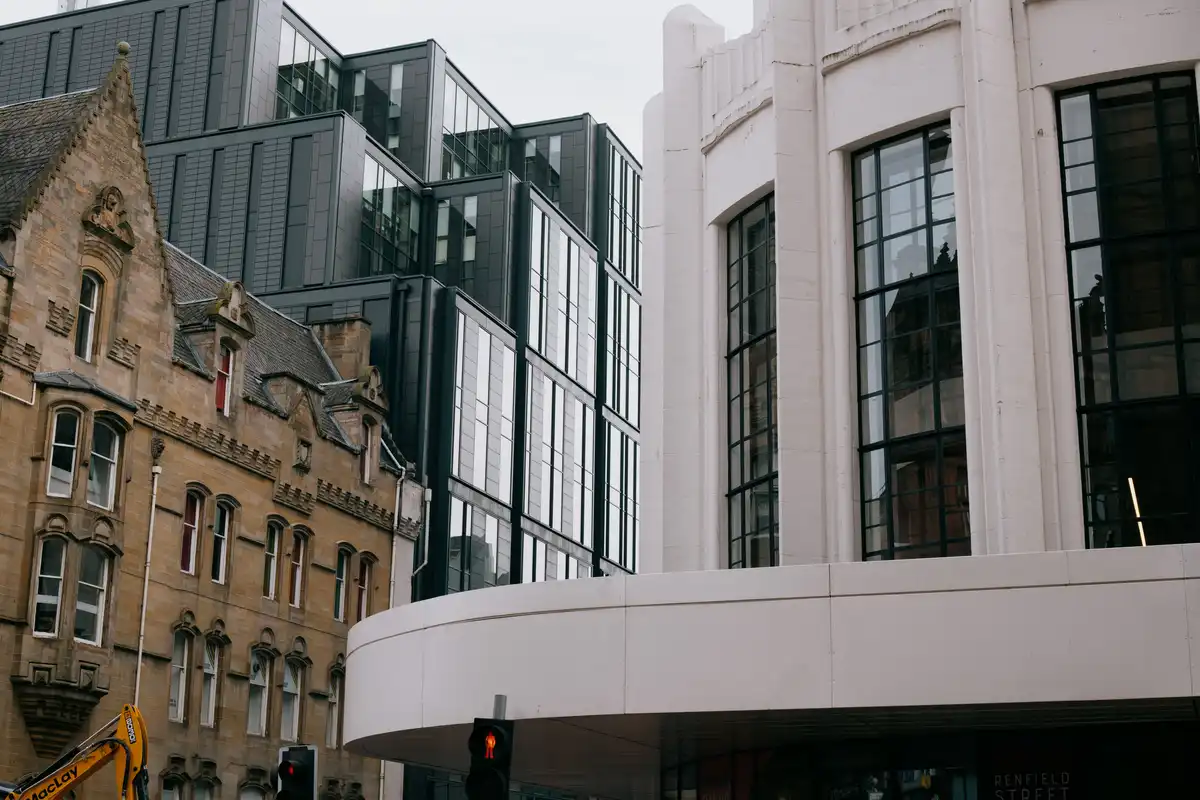
Retrofit is the long-term answer and the city’s architects are busy with it. Historic Environment Scotland actively champions the reuse and adaptation of exactly this kind of building, and heat pumps, fabric upgrades and district heating all feature in the pipeline. But retrofit moves at the speed of capital and consent, and the businesses occupying these buildings are paying for heat now, this winter, at whatever rate their current contract happens to specify.
That rate deserves more scrutiny than it usually gets. A workshop or converted warehouse that rolled onto out-of-contract terms can be paying dramatically more per kilowatt hour than an identical neighbour on a tendered business gas contract, for gas from the same pipe, before levies such as the Climate Change Levy are even added. The difference is not efficiency or virtue. It is simply whether anyone tested the market.
For occupiers and property managers, this is the rare cost saving that needs no planning permission, no scaffolding and no disruption to a trading business. It is paperwork. Figures from energy consultancy Purely Energy, which runs this kind of tender across dozens of suppliers, put the typical saving at 15 to 30 per cent, often enough to fund a decent chunk of the efficiency work that comes next.
Decarbonisation will transform Glasgow’s buildings over the coming decade. Paying a fair price for the energy they use in the meantime is available today.

Frequently asked questions
What are out-of-contract or deemed energy rates?
These are the default rates a supplier charges when a business has no agreed contract in place, either because a fixed term expired without renewal or because the business moved into a premises and inherited the registered supplier. They are typically far higher than tendered rates, and buildings can sit on them for years without anyone noticing.
Do older commercial buildings pay more for gas?
They tend to consume more per square metre because of their fabric, and their winter-heavy demand profiles are also priced more cautiously by some suppliers. That combination makes it especially worthwhile to compare quotes, since the spread between suppliers is widest for exactly this kind of load.
Does switching business gas supplier interrupt supply?
No. The gas arrives through the same pipe and the same meter regardless of supplier. A switch is an administrative and billing change, normally completed within a few working days once paperwork is in place, with no physical work at the premises.
Sources
Glasgow City Council: https://www.glasgow.gov.uk
Historic Environment Scotland, regeneration and reuse of historic buildings: https://www.historicenvironment.scot/protect-and-care/planning-and-guidance/priorities-and-projects/regeneration/
UK Government, Climate Change Levy: https://www.gov.uk/green-taxes-and-reliefs/climate-change-levy
Comments on this guide to Between Sandstone and Net Zero: Running Glasgow’s Older Commercial Stock article are welcome.
Glasgow Buildings

Key Buildings in Scotland Articles
Historic Glasgow : best Glasgow architecture of the past
Comments / photos for the Running Glasgow’s older commercial stock advice page welcome.