5 Architectural Styles for Garden Rooms in the UK
7 July 2026
For British homeowners, choosing the right architectural style for a garden room is extremely important. It plays a major role in both the appearance of a property and its value. It can also affect planning permission requirements. A well-designed garden room creates additional living space and enhances your home. It is far more than a simple shed—it is a genuine extension of your property.
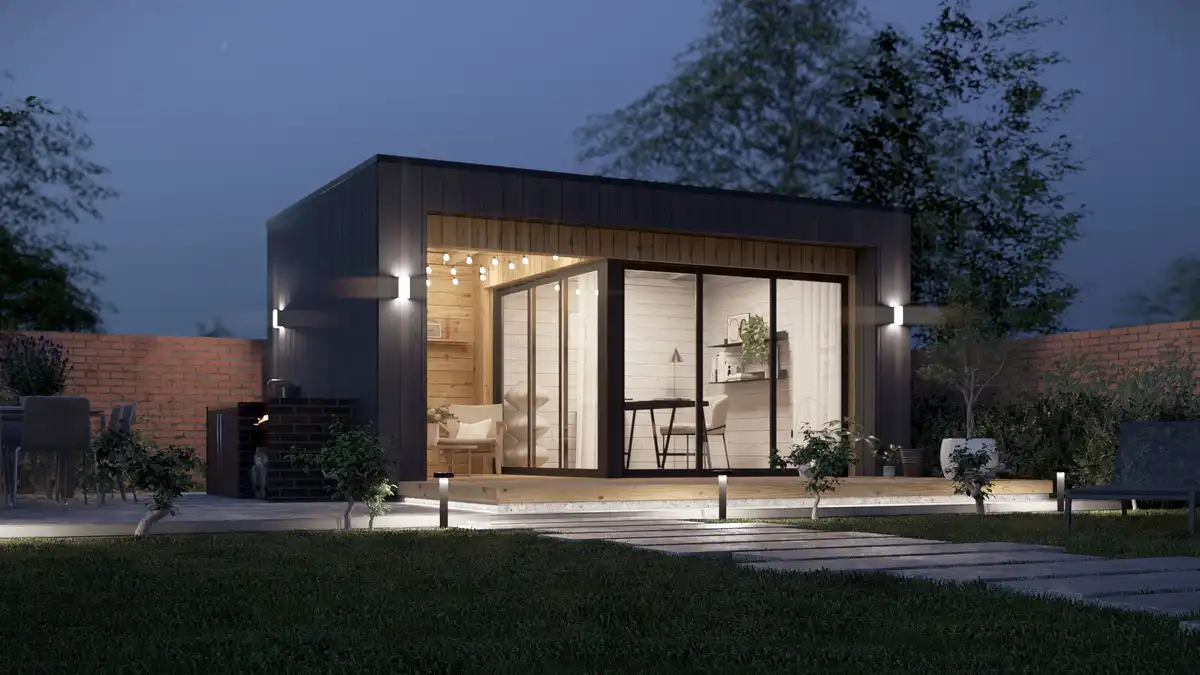
Success depends on achieving harmony between the design of the new building, the architectural style of the main property, the existing materials, and the character of the garden. When adding to your home, it’s important to consider your personal taste and the project as a whole.
Choosing the Right Architectural Style for Your Garden Room
The architectural harmony between your garden room and your home can significantly affect both your property’s value and the overall appearance of your garden. A well-integrated garden room can add 5% to 15% to your property’s value. High-quality, insulated garden rooms are more likely to achieve the upper end of this range. This integration prevents visual discord and ensures the new structure feels like a natural extension of the property rather than an afterthought.
British garden rooms have evolved from simple outbuildings into sophisticated architectural extensions, reflecting changing lifestyles and increasing demand for flexible living spaces. Homeowners should consider the age of their property, the existing materials, local planning requirements, and their own personal taste.
1. Traditional Victorian Conservatory Garden Room
Traditional Victorian Conservatory garden rooms are defined by ornate ridge details, dwarf walls, and pitched glass roofs often adorned with decorative cresting. These structures evoke classical elegance, making them ideal companions for period homes.
Defining features: Ornate ridge details, dwarf walls, pitched glass roofs, decorative cresting, and often Georgian glazing bars.
Best suited for: Victorian, Edwardian, and period properties built pre-1920, where they seamlessly extend the home’s historic character.
Materials and colour palettes: Painted timber or uPVC frames in heritage colours such as white, cream, or muted green work well, complemented by brick or stone dwarf walls.
Modern performance upgrades: Insulated glazing and modern climate control systems improve year-round comfort while preserving the traditional appearance.
These designs are visually striking but are typically 15–25% more expensive than contemporary styles because of their intricate detailing and materials, with premium 12m² builds costing £45,000 or more.
2. Contemporary Minimalist Garden Room
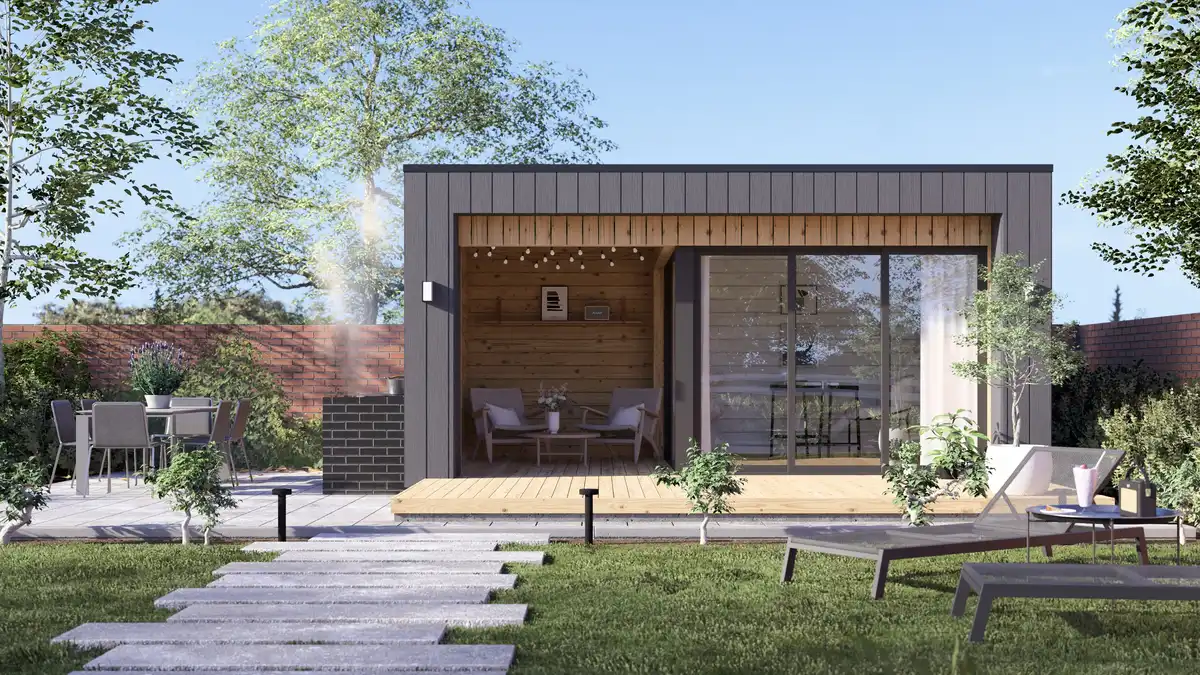
Contemporary Minimalist garden rooms are characterised by clean lines, flat or mono-pitched roofs, extensive floor-to-ceiling glass, and minimal ornamentation. This style prioritises functionality and a connection to the outdoors, often blurring the lines between interior and exterior spaces.
Contemporary Minimalist Garden Room Defining features: Flat or mono-pitched roofs, large expanses of glazing, clean geometric forms, and a lack of decorative elements.
Contemporary Minimalist Garden Room Best suited for: Modern properties built after 1960, mid-century homes, or homeowners who want to create a deliberate, striking contrast with traditional architecture.
Materials and finishes: Aluminium frames, typically in black or anthracite, combined with composite cladding, rendered finishes, and minimalist concrete or porcelain flooring.
Integration strategies: Landscaping features such as raised beds or permeable paving can soften the contrast with older properties and create a more cohesive appearance.
Typically, these rooms cost between 25% and 40% less than period-style builds, with a typical 12m² costing £18,000–£28,000.
3. Scandinavian Timber Garden Room
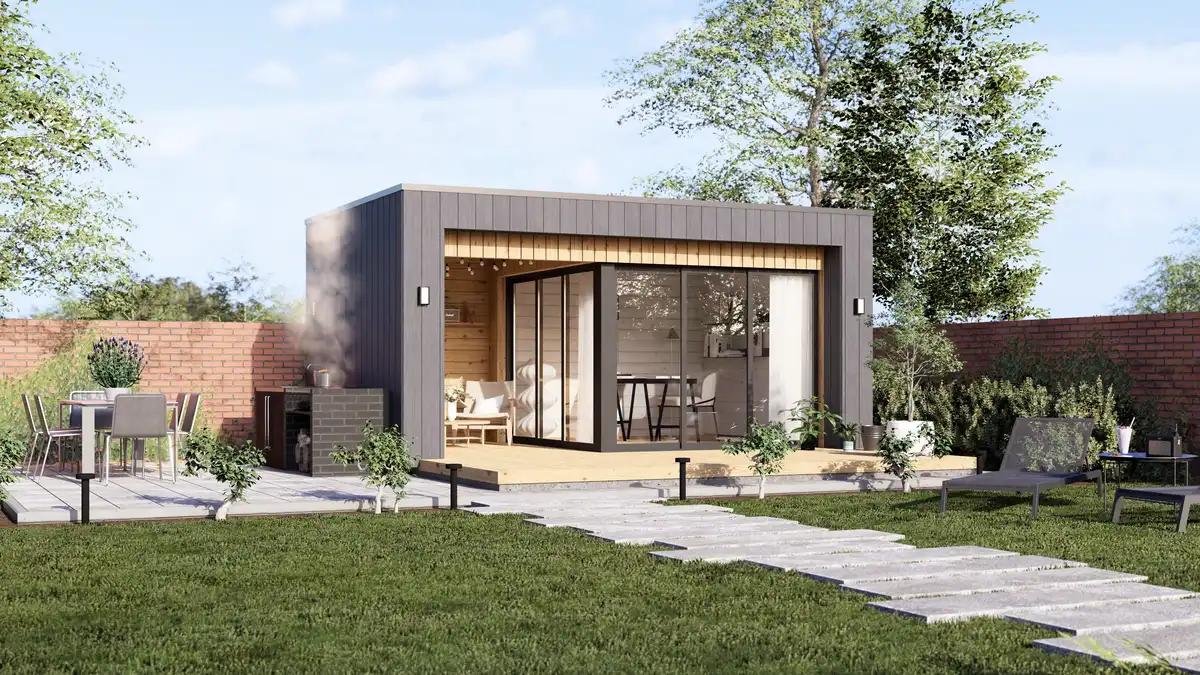
Scandinavian timber garden rooms feature warm wood cladding, pitched roofs, and large windows that fill the interior with natural light while creating a cosy sense of ‘hygge’. They blend seamlessly into natural surroundings, creating a warm, rustic-modern feel.
Scandinavian Timber Garden Room Defining features: Natural wood cladding, often installed vertically, pitched roofs, large simple windows, and interiors designed to maximise warmth and natural light.
Scandinavian Timber Garden Room Best suited for: Cottages, rural properties, Arts and Crafts homes, and properties set within woodland or garden-dominated landscapes.
Timber choices: Durable options like Western Red Cedar or Siberian Larch are popular for their natural resistance to decay. Thermally modified wood (ThermoWood) offers enhanced stability and a 25+ year lifespan.
Design elements: Vertical or horizontal cladding patterns, often paired with black window frames and natural oil or stain finishes to preserve the wood’s character.
For longevity in the British climate, Class 1 or 2 timbers like ThermoWood or Siberian Larch are recommended, offering 20–40 years of service life with low maintenance.
4. Georgian-Inspired Garden Room
Georgian-Inspired garden rooms draw from the classical principles of symmetry, proportion, and subtle detailing. They are characterised by balanced facades, sash windows, and a refined elegance that complements formal garden designs.
Georgian-Inspired Garden Room Defining features: Symmetrical layouts, often featuring sash windows, classical proportions, and understated architectural embellishments.
Georgian-Inspired Garden Room Best suited for: Georgian townhouses, Regency properties, or homes with formal, structured garden settings that benefit from a dignified extension.
Architectural details: Pilasters, cornicing, and rendered or brick exteriors in period-appropriate colours like soft greys, creams, or whites.
Interior considerations: High ceilings and panelling help maintain classical room proportions, creating a sense of grandeur and spaciousness.
The emphasis on accurate detailing and bespoke joinery means these can incur higher costs, often aligning with the premium end of traditional builds.
5. Industrial Loft-Style Garden Room
Industrial Loft-Style garden rooms feature exposed structural elements, robust materials, and a utilitarian aesthetic reminiscent of converted warehouses. They offer a raw, modern edge, often incorporating large, multi-pane windows.
Industrial Loft-Style Garden Room Defining features: Exposed steel frames, brick or corrugated metal cladding, Crittall-style windows, and an industrial aesthetic.
Industrial Loft-Style Garden Room Best suited for: Converted industrial properties, urban gardens, contemporary homes seeking a bold statement, or creative studio spaces.
Material palette: Black steel, reclaimed brick, polished concrete floors, and metal roofing create an authentic industrial look.
Functional advantages: The sturdy construction allows for flexible, open-plan interiors, making it ideal for home offices, art studios, or workshops.
Crittall-style windows, a hallmark of this style, are significantly more expensive than traditional frames, with steel options costing £2,000–£6,000 per unit compared to £300–£800 for uPVC.
Conclusion: Creating Your Perfect Garden Room
Choosing the right architectural style for your garden room is a strategic decision that balances appearance, functionality, and cost. To create a lasting addition that enhances your property, consider your home’s age, existing materials, and the intended purpose of the garden room.
The Property-Style Matching Matrix helps homeowners choose a design that either complements their existing architecture or provides a thoughtfully planned contrast. The next step is to consult an architect and understand local planning requirements, particularly if your property is within a conservation area. Selecting the right architectural style can enhance your day-to-day living while helping to protect and increase your property’s long-term value.
Comments on this guide to 5 Architectural Styles for Garden Rooms in the UK article are welcome.
Glasgow Buildings

Key Buildings in Scotland Articles
Historic Glasgow : best Glasgow architecture of the past
Comments / photos for the 5 Architectural Styles for Garden Rooms in the UK advice page welcome.