Putting Solar on Glasgow’s Rooftops: What Works on Tenements, Terraces and Sandstone Villas
4 June 2026
Glasgow’s roofscape is not one thing. A Southside tenement, a Dennistoun terrace and a Bearsden villa present three completely different solar problems, and the solution that suits one will underperform on another. For anyone renovating a Glasgow property or specifying work on one, solar has moved from a nice-to-have to a default question, pushed along by a rising energy price cap and the end of the grant support that once gave people a reason to wait.
The useful question is no longer whether solar is worth considering. It is what actually works on the roof in front of you, and that comes down to the building.
Glasgow’s roof types, and what each one means for solar
Start with the stock, because the roof decides most of it.
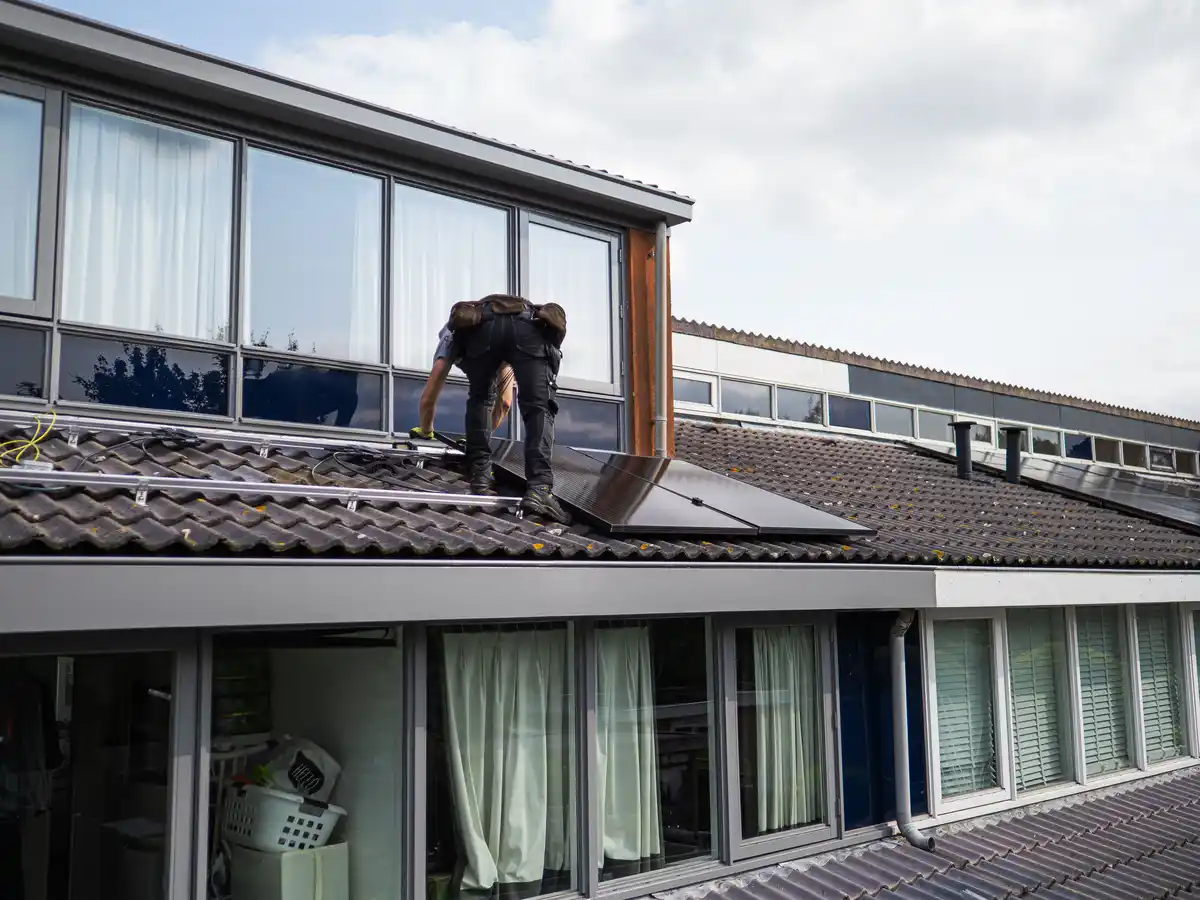
Tenement flats sit under a shared pitched roof, with ownership split across the building and a factor usually involved. The roof itself is often well suited, with broad pitches and decent aspect, but the complication is collective: a structural check, agreement across the owners, and a clear answer on who pays and who benefits. It is rarely a quick yes, but it is far from impossible, and a growing number of tenement owners are working through it.
Terraced rows behave differently. The aspect is fixed by the orientation of the street, so a south-facing rear gives you one outcome and a north-facing one gives you another, with party walls and shared guttering to consider. Victorian and sandstone villas, common across the West End and the leafier suburbs, are frequently the strongest candidates, with generous unbroken pitches, though chimney stacks and dormers often throw shade that has to be designed around. Post-war and newer semis in Bearsden, Newton Mearns and Bishopbriggs tend to be the simplest of the lot, with clean pitched roofs and little to work around. If you want a sense of how these property types translate into real installs, this overview of installing solar panels on Glasgow homes is a practical reference point.
Aspect, pitch and shading on the west coast
Glasgow’s light is not Spain’s, and the design has to respect that. South-facing roofs give the highest annual yield, but an east-west split, with panels on both sides of the ridge, often makes more sense on Scottish roofs than people expect. It spreads generation across the morning and the late afternoon rather than concentrating it at midday, which matters when the goal is using your own power rather than exporting it cheaply.
Pitch is usually a non-issue on Glasgow’s traditional roofs, most of which sit in the productive 30 to 40 degree range. Shading is the variable that gets underestimated. Chimney stacks, dormers, a taller neighbouring tenement, even a mature street tree can pull a meaningful chunk off the output of a poorly planned array. A proper shading assessment across the day, not a glance at the roof from the pavement, is what separates a system that hits its numbers from one that quietly disappoints.
In-roof or on-roof and the conservation question
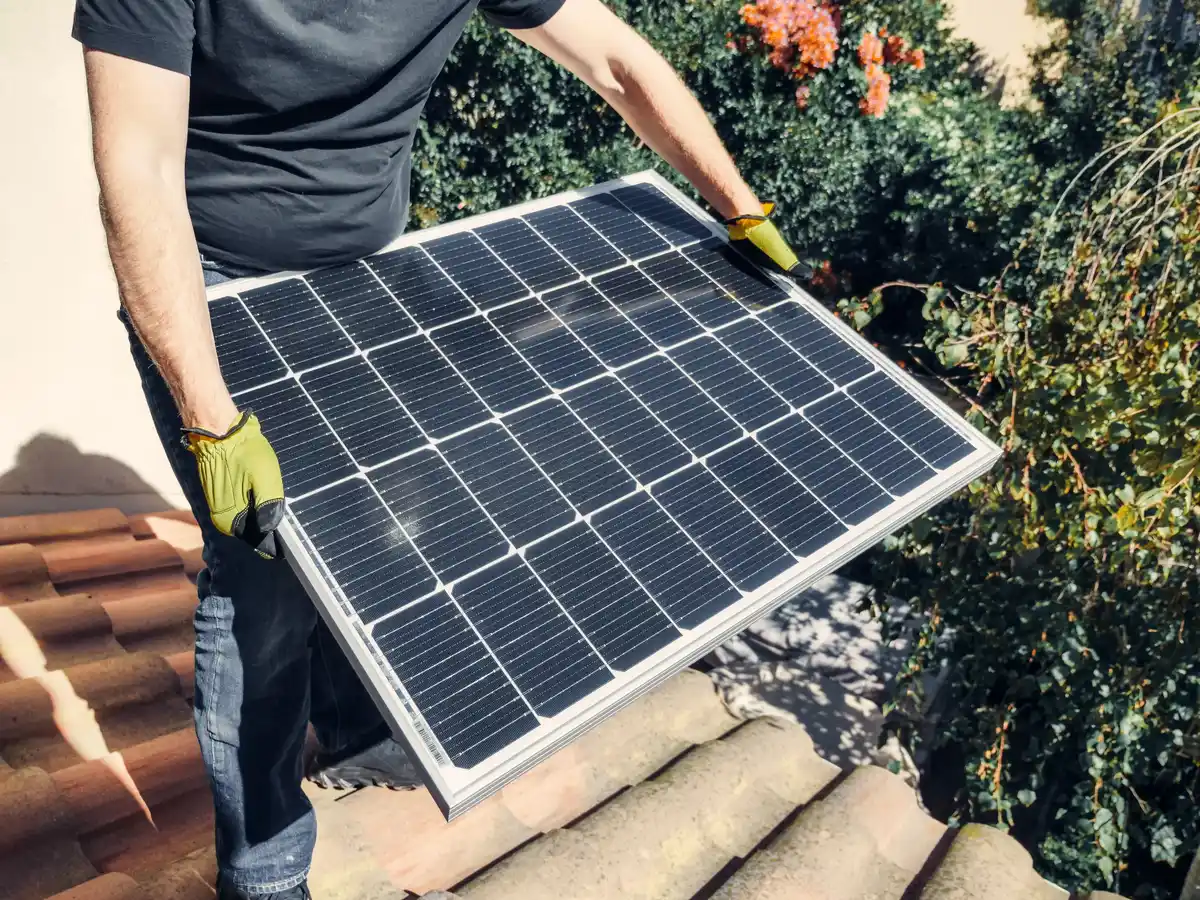
There are two ways to put panels on a roof, and on a design-sensitive Glasgow property the choice matters. On-roof systems sit on mounts above the tiles or slates and are quicker and cheaper. In-roof systems are recessed so the panels sit flush with the roof line, which reads far more cleanly on a prominent frontage and is often the better answer on a period property where appearance carries weight.
Conservation areas add a planning layer. Much of the West End and areas such as Pollokshields fall within designated conservation areas, where panels on a front elevation can require consent even when a rear installation would not. Listed buildings need consent as a matter of course. None of this rules solar out, but it shapes where the panels go and which mounting approach is appropriate, which is exactly the sort of thing worth resolving at the design stage rather than after a refusal.
Designing solar in, rather than bolting it on
The best results come when solar is treated as part of the design, not an accessory added once the scaffolding is down. On a new build or a major renovation, that means thinking about roof structure and loading early, planning cable runs that do not have to be chased into finished walls later, and deciding where the inverter and any battery will live before the spaces around them are committed.
It also means coordinating the trades. A roofer setting out an in-roof array and an electrician planning the cable route need to be working to the same drawing, and the orientation and panel layout are easier to optimise on paper than to correct on a finished roof. Storage is part of this conversation too, because a battery needs a sensible home with ventilation and access, and that is a decision better made with the architect than squeezed into whatever cupboard is left.
The economics now the grants have gone
The financial picture in Scotland changed in 2024, when Home Energy Scotland closed its grant and loan support for standard solar to new applications. Most owner-occupiers now fund solar themselves, which puts the focus squarely on the return. The one broad relief still in place is 0% VAT on solar and battery, which runs until 31 March 2027 before reverting to 5%, so there is a real timing advantage to acting inside that window.
The return now hinges on self-consumption rather than export. Surplus exported to the grid earns somewhere around 12 to 15 pence a unit, while power bought back in the evening costs roughly 26 pence under the current cap. That gap is why a battery has become central to the case and why the size of the system should follow how a household actually uses electricity, not just how much roof is available. For a Glasgow property, an honest assessment of usage and roof aspect together is what turns solar from a rough idea into a system that pays.
Solar on Glasgow’s housing stock is as much a design and roof decision as an energy one. The properties that end up with systems that genuinely perform are the ones where the roof, the aspect, the shading and the household’s real usage were assessed properly before anyone quoted a panel count.
Comments on this guide to Glasgow solar on tenements, terraces and villas – Putting Solar on Glasgow’s Rooftops article are welcome.
Glasgow Buildings
Key Buildings in Scotland Articles
Historic Glasgow : best Glasgow architecture of the past
Comments / photos for the Glasgow solar on tenements, terraces and villas advice page welcome.