How to Choose Tile for a Cohesive Home
23 July 2026
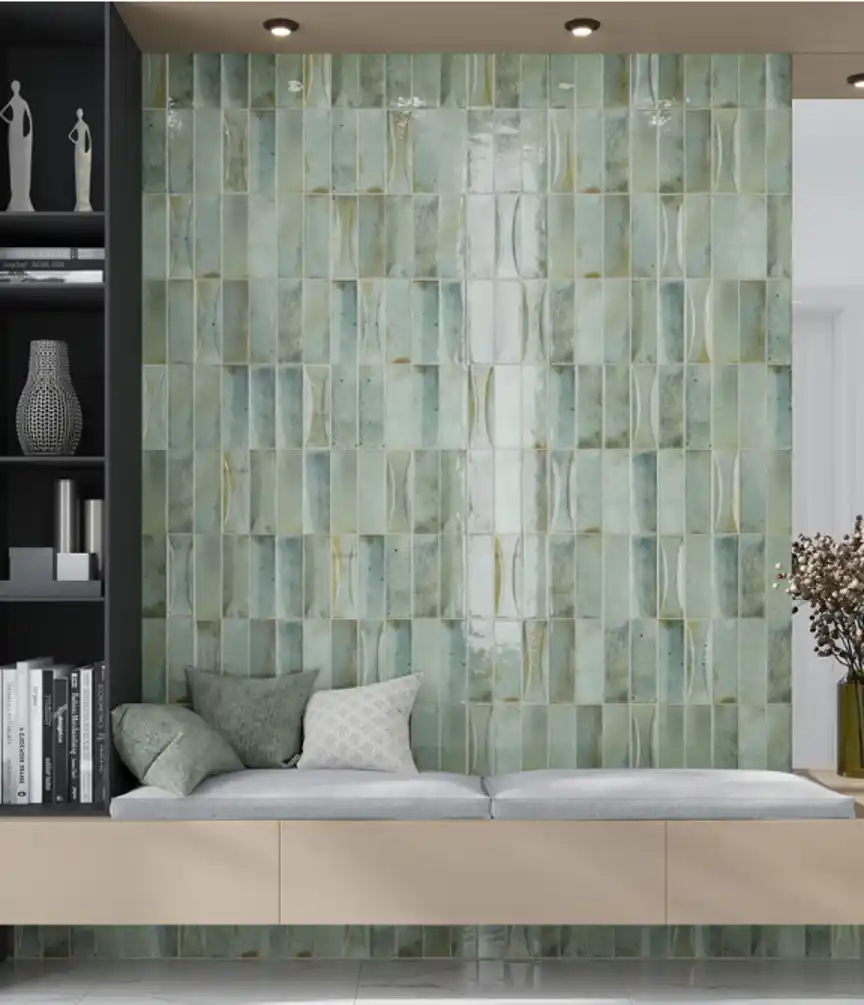
Should Every Room Match? How to Choose Tile for a Cohesive Home Without Everything Looking the Same
Walk through any thoughtfully designed home, and you’ll notice a sense of continuity. The cohesiveness and connectivity between each room enhances the beauty of any home. This connectivity, however, does not mean using the same tile throughout the home. Rather, it is a balanced and well-planned use of a wide range of tiles in such a way that brings continuity while still allowing each room to maintain its own personality. It is all about fostering visual connection between spaces.
Tiles can be used to create a huge difference in any home. The wide range of colours, textures, finishes, patterns, and other factors help tiles create cohesive interiors. Here are some practical ways in which tiles can be used to create harmony without making every room feel identical.
Match Materials and Not Designs
Although using the same tile pattern throughout creates cohesion, excessive repetition can make the design feel flat. Instead of repeating the pattern, consider matching materials or finishes.
For instance, you may use glossy porcelain throughout the home but vary the layout of application or the format. Smaller mosaics can be used in bathrooms, large-format tiles on kitchen floors, while textured tiles as fireplace surrounds.
Repeating the material creates a subtle connection that visitors often notice without immediately recognising why everything feels coordinated.
A Balanced Use of Styles
A combination of traditional styles with modern trends can help make your home age gracefully and feel timeless. Instead of jumping on the latest trend blindly, pair contemporary styles with classic materials and timeless colours. This creates a home that doesn’t go out of fashion the very next season.
For instance, try combining elegant glass tiles with traditional clay-based materials
and terracotta in living spaces will add both character and a unique style to your home.
Using different elements and styles together also allows them to be updated with more ease than doing a total rehaul.
A Common Colour Family
A cohesive and unified home doesn’t necessarily mean you need to create a monochromatic look. For a unified yet unique look, choose tiles from the same colour family rather than using the same colour.
For instance, if you have used warm neutrals in your kitchen for a subtle look, you may use the same undertones in other spaces such as bathrooms, living rooms, and even bedrooms. One room may feature warm greige tiles, another soft beige, and another ivory white. These colours aren’t the same, but share enough elements to make them part of the same family.
A similar idea can be used to build the house around other color families such as cool pastels, vibrant jewel tones, and others. Thinking in terms of colour families rather than exact matches creates flexibility while maintaining consistency.
Fix a Focal Point
Rather than trying to coordinate every surface or focusing on beautifying everything everywhere all at once, start with a focal point and build around it.
An easy way to do this is by choosing a particular design element and letting it repeat judiciously throughout the house. Examples include a certain pattern such as paisley, a consistent grout colour, a particular finish, stylish tile shapes, or an aesthetic such as the wellness-focused biophilic design or the minimalist industrial style. Allowing these small details to recur will link the rooms to each other without making them feel a direct copy of each other.
Many professionally designed homes rely on these understated links rather than obvious repetition.
Be Purposeful When Designing Rooms
Every room of the house has its own function, and your tile choices must convey and support that.
Gentle textures and colours such as blue and seafoam work particularly well in relaxing, spa-inspired bathrooms. Similarly, matte finishes and darker, earthy tones work well in mudrooms as they can hide stains. In kitchens, easy-to-clean surfaces such as glossy tiles work best, whereas maximalist and bold spaces such as accent walls and fireplace surrounds will look best with dramatic tile options.
Allowing rooms to respond to their practical needs creates interiors that feel authentic instead of forced.
Visual Transitions Between Spaces
Many modern homes are now based on an open-concept layout. Such homes benefit the most through thoughtful transitions of design elements.
Instead of making abrupt changes between the rooms by choosing drastically different tiles, it is recommended to allow the finishes to flow from one space to the next naturally. For instance, you may choose to carry the same colour palette from the kitchen to the dining area while adding a subtle change in the form of surface finish.
These gradual shifts define individual spaces without interrupting the overall flow of the home. This transitional element can also be carried outdoors, creating a seamless look between the interiors and exteriors of your home. Waterproof tiles can help you create the perfect transitional outdoor spaces for you to cherish.
Controlled and Refined Contrast
Contrast is necessary to keep your home from looking too ‘boring’. It adds personality and a unique touch to the space, but resting too much on contrast will make your home feel disconnected and chaotic.
So, if your kitchen has a dramatic backsplash and walls, balance it with softer fixtures and light tiles. A pastel, spa-style inspired bathroom looks much more cohesive when paired with golden fixtures and a jewel-tone bathtub. Think of statement tile as punctuation rather than the entire conversation.
Colour and Texture Go Hand In Hand
A tile colour isn’t the only element responsible for creating continuity; texture plays an equally crucial role in doing so.
Using similar texture profiles such as ‘stone-effect’, matte finish, or fluted options can help your home look more clean-cut and cohesive than having a random combination of glossy, textured, and all other finishes together.
Using texture consistently creates depth while allowing each room to maintain its own identity.
Allow Rooms To Shine– Regardless of Size
While designing your home, it is necessary to give equal attention to both large spaces and small rooms. Every room need not follow identical rules.
Smaller spaces such as entryways, laundry rooms, and small bathrooms often offer a lot of space to experiment with bolder and more unique tile choices. Rich colours, textured surfaces, and geometric patterns– all can make these small rooms memorable in their own right, without overwhelming the rest of the house. Because these areas occupy relatively little space, they can become moments of surprise that enhance rather than disrupt the larger design scheme.
Balance is Beauty
An inviting interior always seeks to balance consistency with individuality. Instead of repeating the same tile in every room, focus on shared colours, complementary textures, and thoughtful transitions that tie spaces together.
When each room reflects its purpose while contributing to a unified design story, your home feels intentional, welcoming, and timeless. That’s the difference between rooms that merely match and a home that truly works as one complete space.
Comments on this guide to How to choose tile for a cohesive home article are welcome.
Glasgow Buildings

Key Buildings in Scotland Articles
Historic Glasgow : best Glasgow architecture of the past

Comments / photos for the How to choose tile for a cohesive home advice page welcome.