
Architecture trends in Glasgow and across the UK guide, Strathclyde property design
2026 architecture trends in Glasgow and across the UK
11 January 2026
Scotland is home to a proud architectural heritage.
From monumental castles to stunning country homes, scenic views to city centres, the country holds beauty and history in every acre and every stone.
Scotland is home to no fewer than six UNESCO World Heritage Sites, and of course was the birthplace of the iconic Charles Rennie Mackintosh. Iconic buildings include Edinburgh Castle and the Palace of Holyrood, as well as contemporary additions such as the Scottish Parliament and V&A Museum in Dundee.
And while the most classic beauties will always endure, and protections to many of the country’s mainstays prevent too much variation on existing buildings, the rich influences of Scotland’s major cities on the rest of the country persist, while new demands in residence, culture and commerce encourage innovation and development.
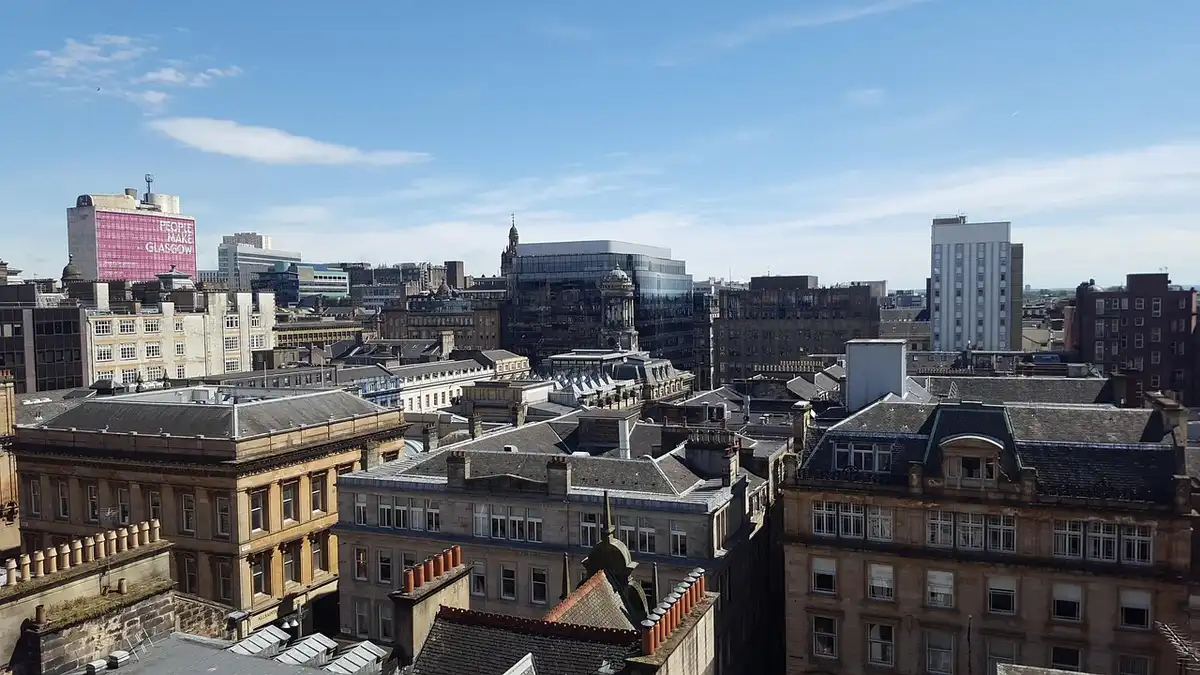
Homes of the future
Home building in Scotland (and the UK in general) is typically a struggle of necessity, coping with the demands of professionals flocking to city centres and combating the challenges of affordable housing.
That isn’t to say that rural demand is non-existent, attracting its own audiences with the unique charms of the Scottish countryside. In a recent report by the UK Collaborative Centre for Housing Evidence identified the need to reverse the depopulation of rural Scotland, and found a lack of affordable housing to meet demand in these areas to be one of the key challenges.
Furthermore, demand naturally increases in cities, especially major hubs like Glasgow and Edinburgh, where professionals and young people tend to flock for work.
Sustainability
Increasingly a major focus across sectors and industries, sustainability will continue to grow as a priority in the Scottish architectural sector.
The emphasis on sustainable practices begins at the design stage, as well as sourcing of materials, building practices and the way that buildings in residential and commercial sectors are operated.
A great example is the use of timber buildings which have a long history in Scotland. As well as being a renewal resource, it has great insulation properties and is easy to acquire and prepare for use in building, with a low environmental impact.
R.House is an architecture firm based in Skye who specialise in the construction of timber-framed homes in rural areas.
Outside of Scotland
It’s easy to see the influence that legendary Scottish architecture has had across the rest of the UK, with the name ‘Glasgow style’ being given to the city’s own brand of Art Nouveau design led by the likes of Charles Rennie Mackintosh and Margaret McDonald.
And the trends reflected in this article are sure to continue to impact the rest of the nation. For instance, as the country works towards its net zero target, legislation and regulations will evolve to manage how homes are built in the future.
Meanwhile, the rising popularity of stylish rural homes isn’t going away, with Raffle House offering such properties up and down the country.
These types of homes tend to boast space aplenty, from high ceilings to huge windows that allow natural light to illuminate any room.
However the industry evolves, Scottish architecture has much to be proud of, and much to look forward to.
What are your predictions for the future of Scottish architecture? Let us know in the comments below.
Comments on this guide to Architecture trends in Glasgow and across the UK article are welcome.
Buildings
Key Buildings in Scotland Articles
Historic Glasgow : best Glasgow architecture of the past
Comments / photos for the Architecture trends in Glasgow and across the UK advice page welcome.