
Design for ageing safely: how home detail can protect older residents guide, seniors house help, safe property layouts
Design for Ageing Safely: How Home Detail Can Protect Older Residents
3 February 2026
As more people plan to stay in their own homes well into retirement, an advocacy group is calling for domestic design that actively supports safe ageing. Help for Seniors has outlined a series of common hazards – from trip risks to poor lighting – which it says can often be designed out or reduced with modest changes.
In a recent poll commissioned on its behalf, more than half of adults with parents at or beyond retirement age said they had made, or suggested, changes to their parents’ homes to make them safer. The findings indicate that families are already intervening at a small scale, but that early consideration during refurbishment or new construction would lessen the need for later, piecemeal fixes.
Help for Seniors identifies falls and trips as a priority, particularly where circulation routes are narrow or interrupted. Loose rugs and mats, electrical cables across walking lines and piles of shoes or furniture in hallways all increase the likelihood of missteps. Uneven thresholds between rooms, slight changes in level and worn floor finishes can be enough to catch a foot, especially for anyone using a walking aid.
Stairs and bathrooms demand particular attention in the design process. Poorly lit staircases, inconsistent riser heights and a lack of secure handrails make moving between floors more challenging for older residents. In bathrooms, smooth tiles, limited grab points and low sanitaryware leave little margin for error if balance is lost, and the presence of hard surfaces means even minor slips can have major consequences.
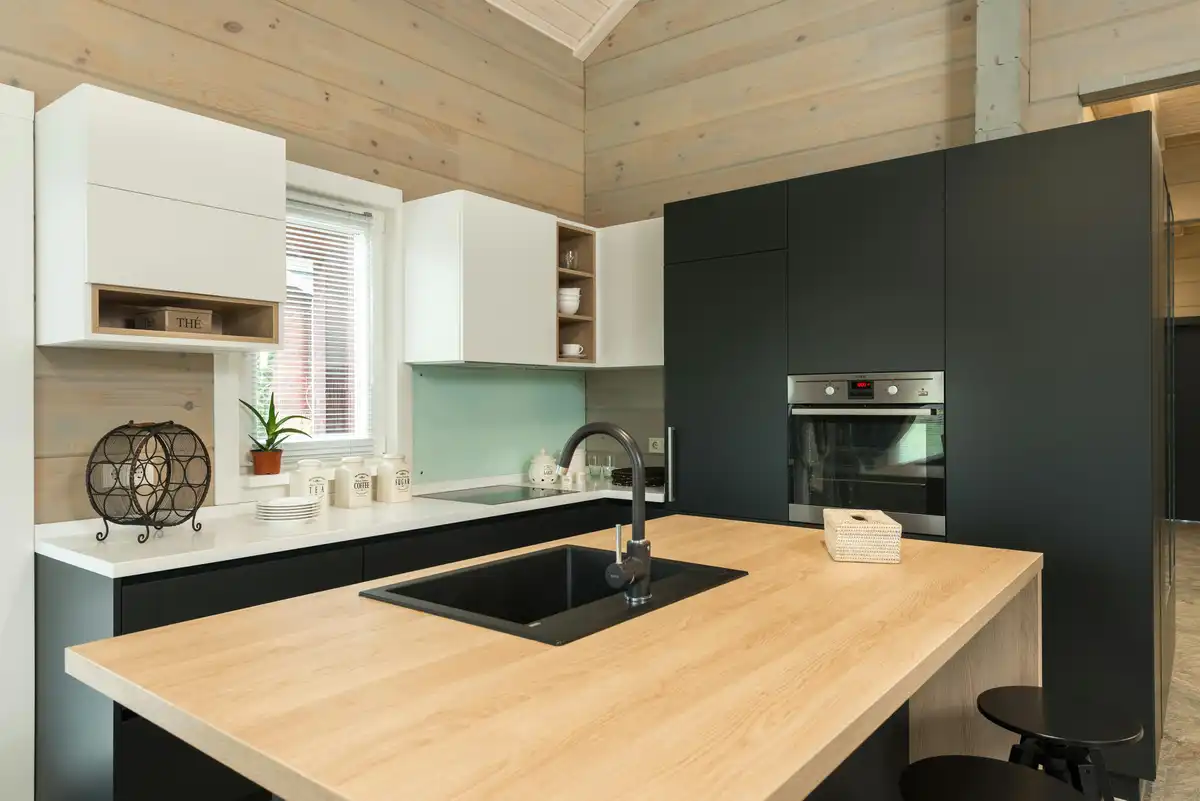
The advocacy group also notes a cluster of hazards in and around the kitchen. Unattended cooking, cluttered worktops and appliances positioned away from clear surfaces increase the chance of both fires and burns. Overloaded sockets and trailing leads add electrical risk, while the placement of storage can force older people to stretch above shoulder height or bend to floor level, sometimes resorting to unstable stools or chairs.
Lighting and contrast run through many of these concerns. Inadequate or poorly directed lighting can leave shadows on stairs, conceal changes in level or produce glare on shiny surfaces, all of which make it harder to judge distance and identify obstacles. Good lighting design, with even illumination and considered use of task and ambient fittings, can significantly improve confidence and orientation for older occupants.
“In our work we see that small changes to layout, lighting and fittings can have a disproportionate impact on day‑to‑day safety,” says Nathan Cook of Help for Seniors. “We would encourage designers to think about how someone with reduced mobility or vision will move through a home, and to make it as straightforward as possible for them to do so without having to negotiate unnecessary hazards.”
The group’s recommendations for architects and homeowners are practical and incremental. Securing or removing loose rugs, keeping walkways free of clutter, providing continuous handrails on both sides of stairs and ensuring level or gently ramped transitions between spaces are all seen as baseline measures. In key rooms, non‑slip finishes, grab bars in bathrooms, sensible storage heights and clearly located switches and controls build an environment that is more forgiving when mistakes happen.
Personal alarm systems or wearable call devices are suggested as an additional safeguard for those living alone, particularly in homes with multiple levels or limited close neighbours. While these technologies do not replace good design, they can reduce the time someone spends on the floor after a fall and provide reassurance to both residents and families.
For the architectural community, the message from Help for Seniors is that designing with older people in mind is increasingly part of mainstream practice rather than a niche concern. By considering how circulation, lighting, storage and fixtures will work for residents in their seventies and eighties as well as in mid‑life, designers can help create homes that remain both functional and comfortable as the years go by.

Comments on this guide to How home detail can protect older residents article are welcome.
Buildings
Key Buildings in Scotland Articles
Historic Glasgow : best Glasgow architecture of the past
Comments / photos for the How home detail can protect older residents advice page welcome.