re:motion, Architecture Exhibition Netherlands Images, Architects, Dutch Show
re:motion Rotterdam Architecture Exhibition
Scottish exhibition first in Rotterdam, Holland, then Scotland
post updated 12 August 2023
The Lighthouse ‘Sust’ re:motion page
Sutherland Hussey Architects’ Sutherland Hussey Remotion page
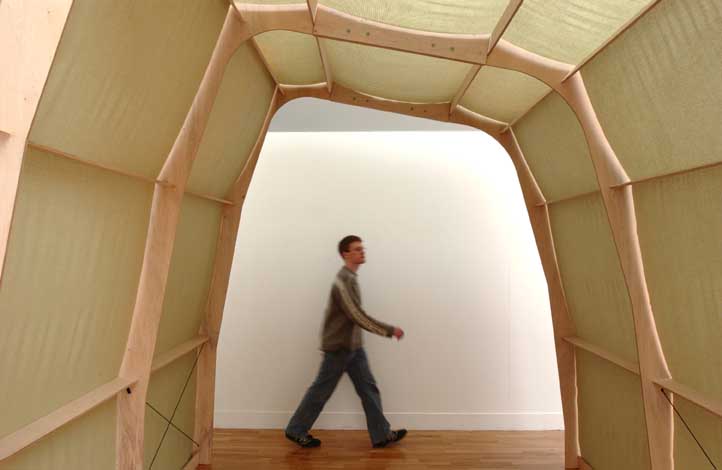
re:motion
re:motion info by Sutherland Hussey
We have taken as our site Waverley Station, the very epicentre of the city, located in the valley between the old town to the south, and Princes Street (the main shopping district) to the north. Within this area the new modes of transport can be stitched into existing modes – national and local train networks, national and local bus networks, taxi ranks etc – with minimum interruption and without the reliance of the car and the embodied energy involved in its necessary infrastructure.
We propose four new modes of transport to meet the needs of local and national connections, European connections and long-haul transatlantic connections.
re:motion Proposal
Long-haul flights – the airship
An air-rights building would be located above Waverly bridge for the new airship terminus, allowing direct routes up from the station platform and from the street.
New developments in airship technology have led to renewed interest in these environmentally sustainable aircraft as means of transporting freight and passengers large distance using less than a quarter of the fuel burnt by a conventional aircraft. Further advantages of the airship includes their ability to land with very little supporting infrastructure (such as runway) and their ability to fly over the city centre due to their quietness, manoeuvrability and inherent safety.
Though primarily intended for long-haul flights the flight time to other cities in Britain would be shorter than that of travelling by train, and the fare would be much less than flying by conventional aircraft. For this market, it is vital that the service ties in with the existing public transport system to enable the airship to offer its full potential as a point-to-point link, and it would be perverse to rely on roads to reach this environmentally sustainable mode of transport.
A recent development in airship technology is the ‘Skycat’ by the Advanced Technology Group. This airship uses a double hull configuration to reduce crosswinds and attaches to the ground or any flat surface by means of hover-cushions within which the lower air pressure is generated sucking the aircraft down. This removes the need for a mooring mast at the passenger terminal and allows the airship to land on platforms attached to the roof of a building, allowing a far more direct passenger access than offered at conventional terminals.
European and national flights – vertical take-off airplanes
The vertical take-off plane offers a potential shuttle service between European cities, with its minimal infrastructure (allowing ports to be located at the heart of the city) and its fast turnaround due to ease of take-off and landing. This could offer the ideal business route where time normally spent getting to and from the airport, checking-in and waiting for the plane can all be avoided.
This technology has come on a long way from the original 1950s Jetson- the vertical take-off planes (or Skyriders) are designed to use an enhanced car engine, providing power to the four ducted fans for aerodynamic propulsion. Vertical take-off technology is presently being developed in America to install onboard computers allowing people to fly to their destination by the use of simple voice controls.
A new vertical take-off terminus is proposed as a freestanding structure at the edge of Waverly gardens. The skyport would occupy a minimal footprint being reliant on its vertical configuration to utilise the plane’s main advantage over conventional flight.
Scottish highlands and islands connections – sea-planes
Sea-planes offer the possibility of opening up new routes to isolated islands and regional cities off the major air routes and where the construction of conventional airports would be difficult and prohibitively expensive. Cities such as Oban and Fort William could enjoy quick connections back to the capital opening up new possibilities for commerce, business and tourism. We propose to flood the central roof area of Waverly station in order that sea-planes can take off and land in the heart of the city. Attached to this idea is perhaps a more romantic idea of returning the loch to the city.
Local mobility – cable car
A new cable car takes the lazy and the infirm from the lowest point in the city (Waverly Station) to the highest point (the Castle). This would be also probably one of the most beautiful city experiences one could make as one moved from the dark underbelly of the station up past the extraordinary cliff-face of the castle.
Read more about this proposal here – Sutherland Hussey re:motion
re:motion information from Sutherland Hussey
Re:Motion Architects
Sutherland Hussey Architects
PagePark Architects (with Miles Glendinning)
NORD architects (Northern Office for Research and Design)
Gross.Max Landscape Architects
Homes for the Future Mckeown Alexander PJMP
Dualchas Building Design
Bennetts Associates Architects
Re:Motion won a prize at the Roses Design Awards Oct 2003.
Re:Motion Touring Venues
May – Jun 2003: International Architecture Biennale, Rotterdam.
Jul – Feb 2004: Loch Lomond and the Trossachs National Park, Lomond Shores, Balloch.
Feb – Mar 2004 :The Lighthouse, Scotland’s Centre for Architecture, Design and the City, Glasgow.
: best scottish buildings of the last three decades
Stirling Prize
RE:Motion
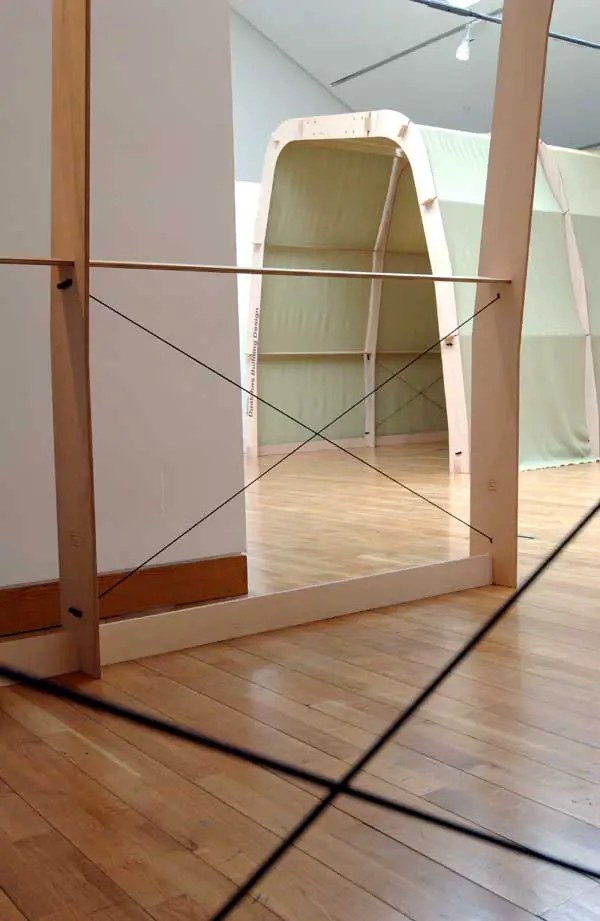

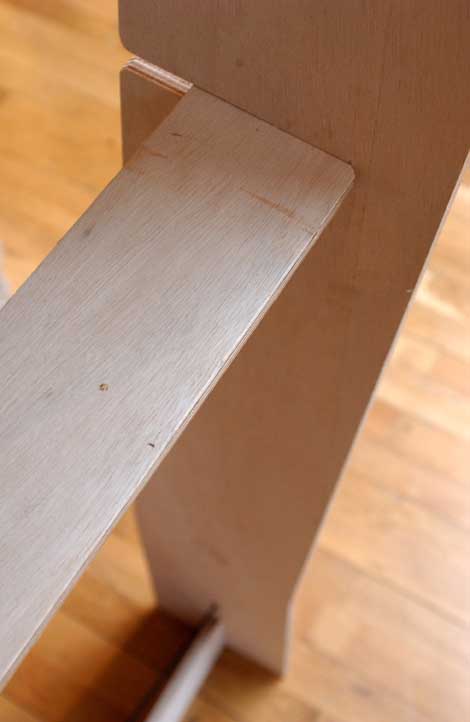
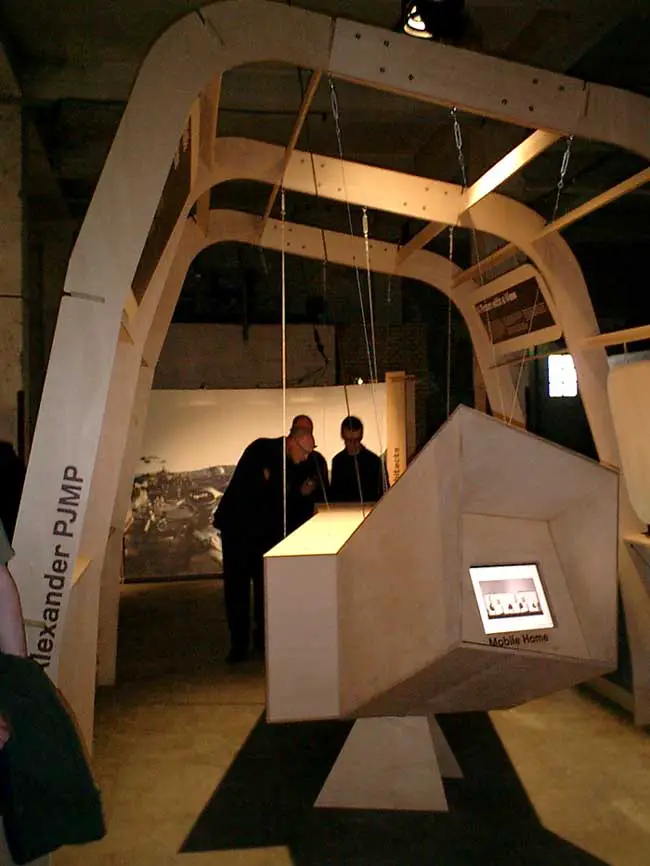
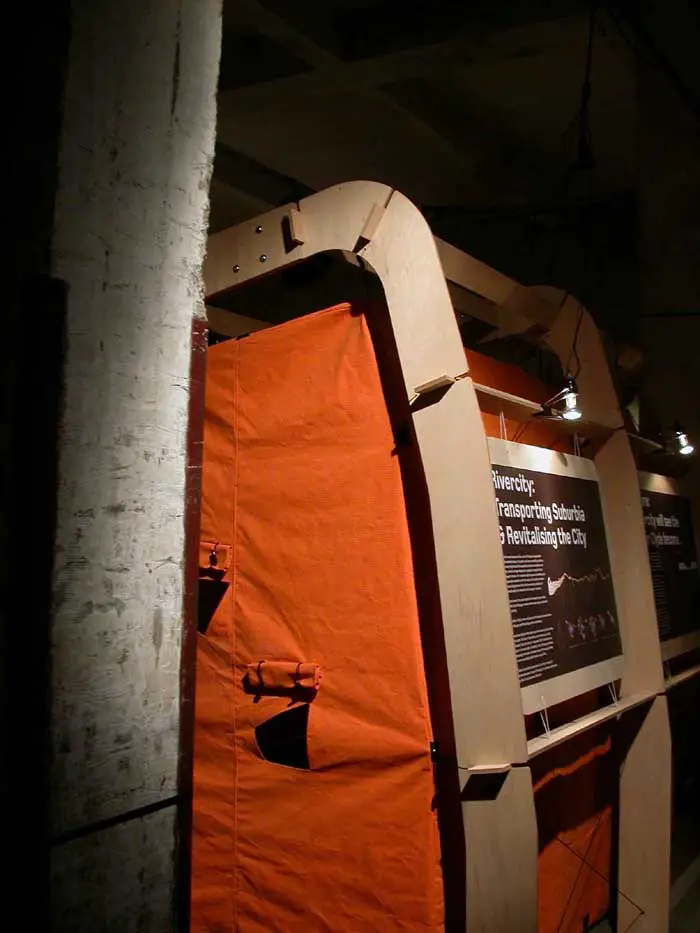
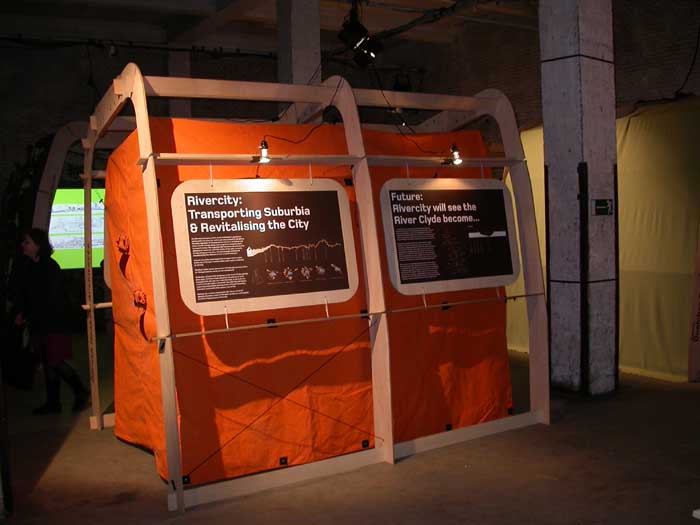
Images from the Lighthouse’s RE:Motion Exhibition at the Rotterdam International Architecture Biennale, being held in Holland at present. The Exhibition, curated by The Lighthouse & designed by Graven Images, includes exhibition material by:
Gross Max
Gareth Hoskins Architects
[NORD]
Dualchas Building Design
Bennetts Associates
McKeown Alexander
Page & Park
Sutherland Hussey Architects
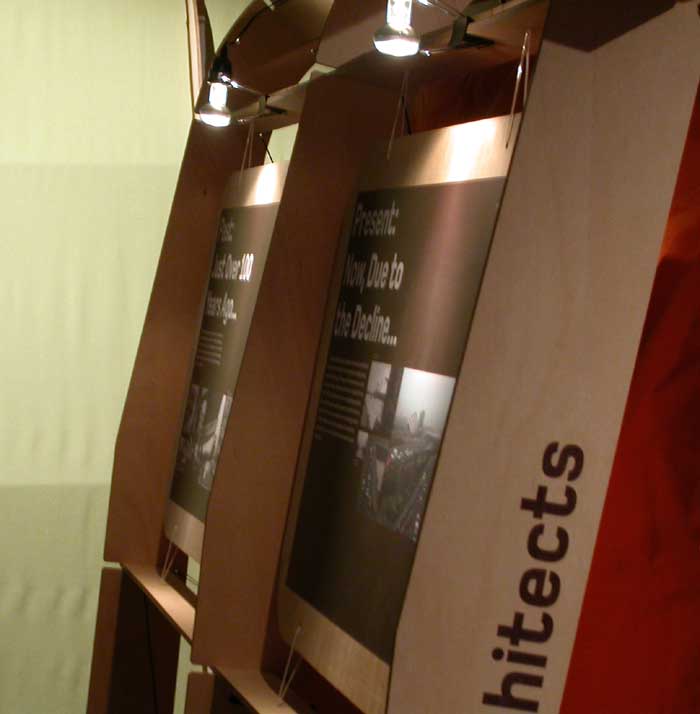
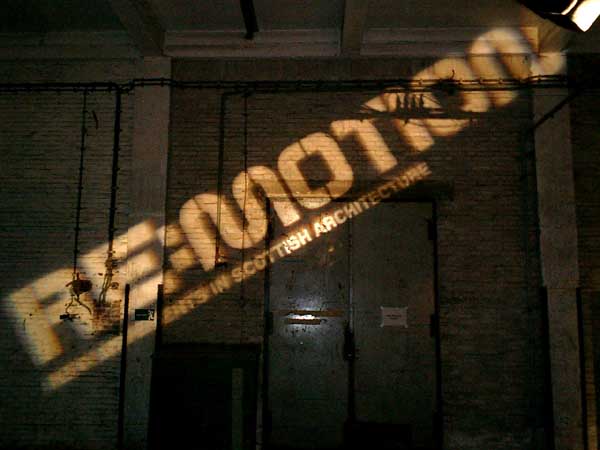
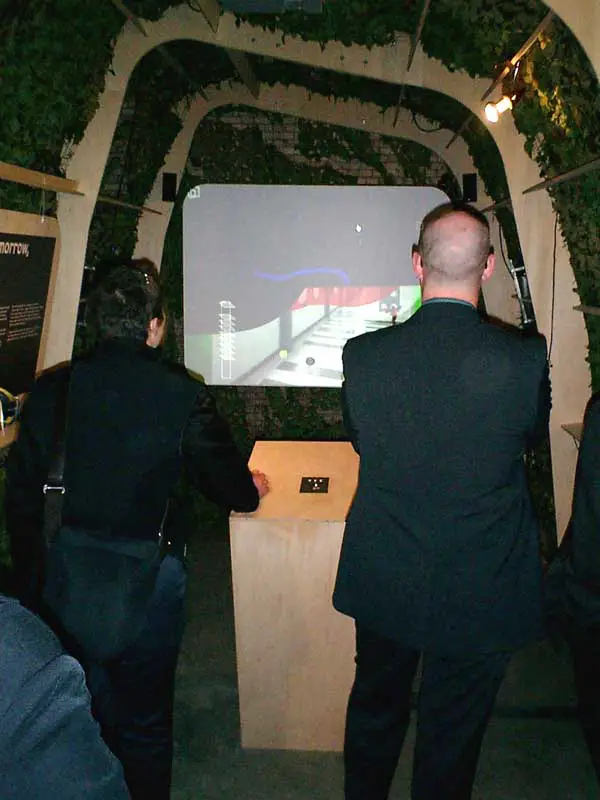
Rotterdam Architecture Biennale : IABR
The Lighthouse
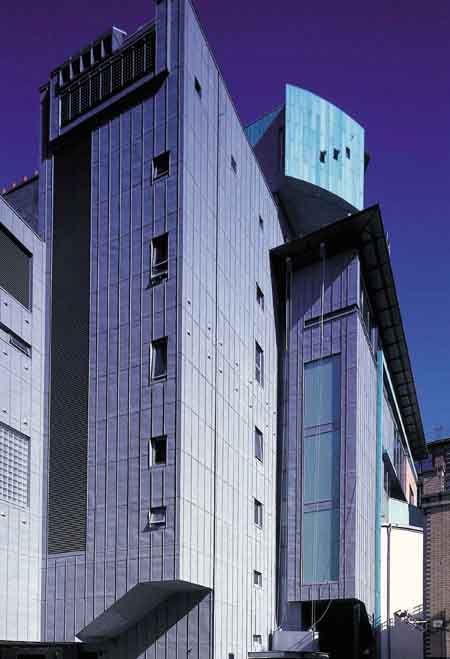
image : David Churchill
Comments / photos for the Rotterdam Architecture Biennale page welcome